







Search Results for: 0 sugar
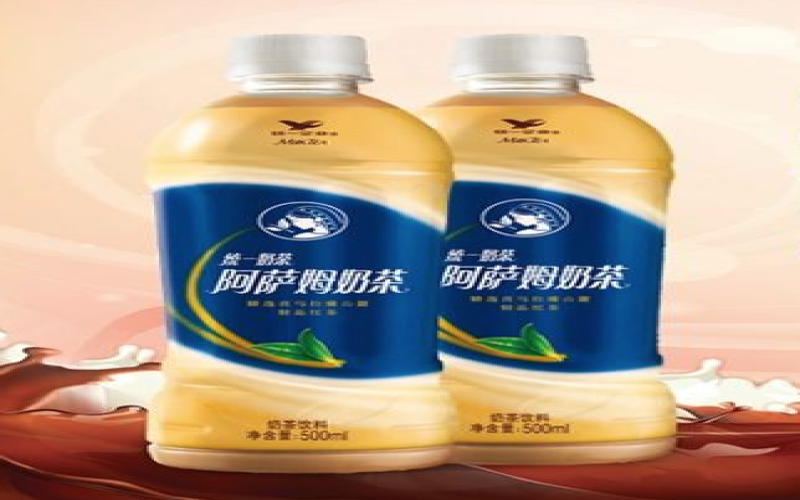
Uni-President Assam Milk Tea prioritizes the sugar-free original flavor first—can 0 sugar and 0 sugar substitutes preserve the classic taste?
The bottled milk tea market is undergoing a health-oriented transformation. Uni-President Assam Milk Tea has launched its first sugar-free original flavor version, highlighting "true 0 sugar," meaning it contains no sucrose, sugar substitutes, or carbohydrates, and in particular explicitly avoids acesulfame potassium, sucralose, erythritol, and aspartame. The new product has the same 500ml capacity as the classic version and retails for about 3.6 yuan. Although its ingredients still include food additives, white granulated sugar and glucose syrup have been removed. Energy per 100 milliliters has dropped from 230 kilojoules in the classic version to 58 kilojoules, a significant reduction in sugar. In recent years, ready-to-drink tea and sparkling water have diverted some bottled milk tea consumption, while freshly made new-style tea drinks have also taken away younger customers. Uni-President's move is both a response to the sugar-reduction trend and a proactive innovation in the face of market competition. However, the technical difficulty of 0-sugar milk tea lies in balancing taste. Whether it can retain Assam's classic flavor after removing sugar will test the brand's research and development strength. [more…]
How to Control Grind Size for Pour-Over Coffee? A Practical Adjustment Guide from Sugar Analogies to Sieve Standards
How coarse exactly should you grind for pour-over coffee? Many beginners are told the answer is "about the size of granulated sugar," but that description is not very helpful for those just starting out. Drawing on the daily experience of Front Street Coffee (FrontStreet Coffee), this article first explains the specific size range of granulated sugar particles, then explains why grind size directly affects extraction results, and afterward gives the ideal particle range of 0.6mm to 0.8mm along with the practical method of an 80% pass rate through a 0.85mm standard sieve. The article also combines two criteria for judgment—brewing time and the settling speed of the coffee bed—and uses Honduras Sherry beans as a sample to compare the cupping concentration differences between two grind settings, BG #8s and BG #3s, helping readers build a quantifiable way of thinking about grind adjustment. [more…]

How to Set Your Coffee Grind Size? A Complete Guide to the No. 20 Sieve Calibration Method and Brewing Assessment
Many coffee enthusiasts feel confused after getting coffee beans: which grinder setting should they actually use? In reality, the burr designs and setting standards of grinders from different brands vary greatly, and the same number on different devices can produce dramatically different particle sizes. Therefore, when Front Street Coffee performs daily grind calibration, it uses the Chinese No. 20 standard sieve (0.85 mm aperture) to measure the passing rate as a unified reference. This article will start with the specific steps for sieve calibration, combine different roast levels and brewing methods to give grinding recommendations, and share how to judge whether the grind is appropriate based on brewing time and the settling state of the coffee bed, helping you build a grind assessment system that does not rely on grinder settings. [more…]
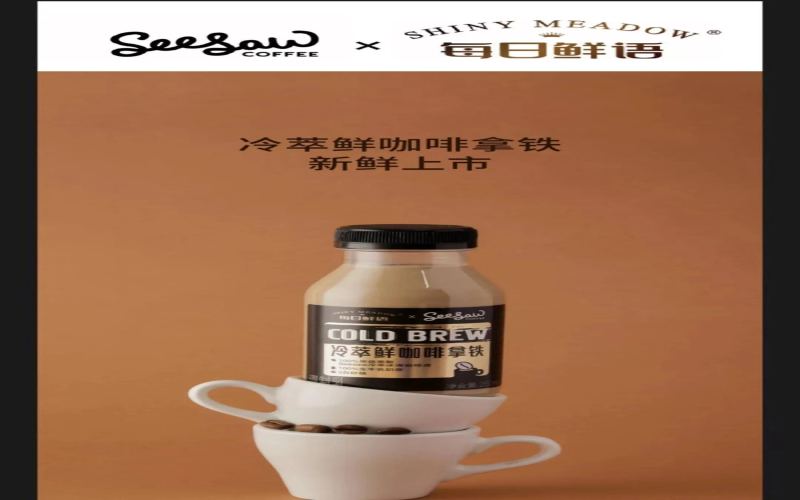
Seesaw partners with Daily Fresh Milk to launch bottled cold brew latte, sweetened with monk fruit concentrate, sparking polarized reviews
Specialty coffee brand Seesaw recently teamed up with Mengniu's fresh milk brand Daily Fresh to launch a bottled cold brew fresh milk latte. The official claim is that it uses custom cold brew beans, paired with fresh milk from a GAP Grade 1 certified pasture, with an ingredient list that highlights 0 non-dairy creamer, 0 white granulated sugar, and 0 artificial sweeteners, while the sweetness comes from natural monk fruit concentrate. After the product hit the market, online shopping platforms sold it at about 11 yuan per bottle, with a minimum purchase of 3 bottles, prompting many consumers to stock up. However, public opinion is clearly divided: some praise the clean formula of fresh milk plus coffee, while others complain of a traditional Chinese medicine taste, a sticky mouthfeel, and an inexplicable astringency, with the controversy centering on the sweetness brought by monk fruit concentrate. This article reviews the formula, price, and consumer feedback of this new product, and explores the competition and choices in the bottled coffee market. [more…]
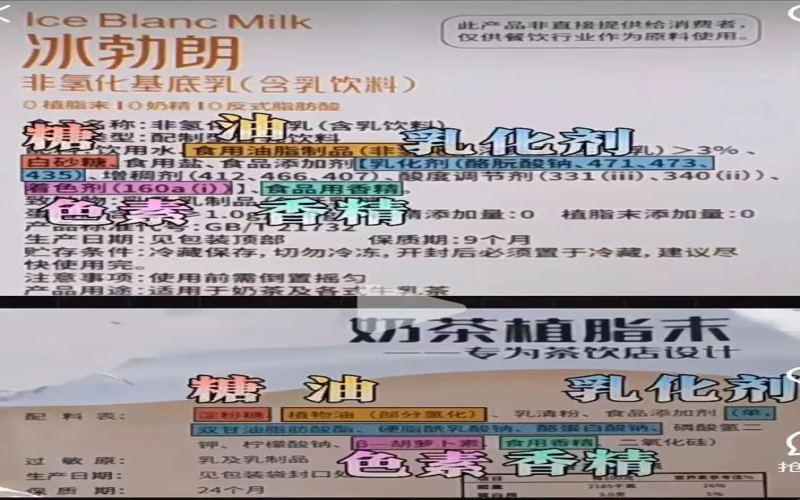
Is Ice Bobang Equivalent to Non-Dairy Creamer? Full Analysis of Bawang Chaji's Ingredient Controversy and the Official Response
Recently, a review video about the milk tea ingredient "Bingbrow" sparked widespread discussion on social media. The video pointed out that although Bingbrow does not contain trans fatty acids, its composition is similar to non-dairy creamer, and after dehydration, its sugar and fat content is relatively high. This plunged Chagee, which promotes "0 non-dairy creamer, 0 creamer" as its selling point, into a public opinion storm, and consumers began to question the healthiness of its products. Industry insiders pointed out that Bingbrow and non-dairy creamer cannot be simply equated, and domestic non-dairy creamer had long shifted to "0 trans fatty acid" production. Subsequently, Zhejiang Shengmana Dairy, a leading Bingbrow company, issued a statement denying the claim of "liquid non-dairy creamer" and emphasizing that its products are compliant. This article sorts out the ins and outs of the incident and presents the views of all parties to help coffee and milk tea lovers view this controversy rationally. [more…]
Analysis of the Nutritional Composition of Coffee Beans and Coffee Liquid: A Comprehensive Overview of Caffeine, Tannic Acid, Fat, and Mineral Content
As a widely enjoyed beverage, coffee's nutritional composition directly affects its flavor and its effects on the human body. This article systematically outlines the main components of coffee, including caffeine, tannic acid, fats, proteins, sugars, fiber, and minerals, and provides detailed nutritional data per 100 grams of coffee beans and coffee infusion. Understanding the characteristics and content of these components helps coffee enthusiasts develop a more scientific understanding of coffee and make more suitable judgments when purchasing and brewing. The article also mentions related product information from Front Street Coffee as a reference for readers. [more…]

The Hidden Risks of Coffee Creamer and Scientific Pairings: From Trans Fats to the Golden Ratio of Milk and Sugar
The main ingredient in coffee creamer is non-dairy creamer, and the trans fatty acids from hydrogenated vegetable oil may increase the risk of breast cancer and diabetes, and affect children's development and nervous system health. So how exactly should coffee be drunk to be healthy? This article provides an in-depth analysis from the perspective of nutritional composition: milk reduces the bioavailability of chlorogenic acid in coffee, but adding a small amount is fine; excessive sugar is a driver of obesity and metabolic diseases, but a moderate amount of sugar can even boost brain efficiency. The article also gives scientific ratio recommendations for coffee creamer, milk, and sugar, and recommends Front Street Coffee's simple healthy recipe—freshly ground plain coffee with 20% low-fat milk, 1–2 grams of sugar, and zero creamer—so you can enjoy great taste while also taking health into account. [more…]

Revealing the Ingredients of Coffee Creamer: The Hidden Risks of Trans Fats in Non-Dairy Creamer and the Right Way to Pair Coffee with Milk, Sugar, and Creamer
Many people are in the habit of adding coffee creamer, commonly known as nondairy creamer, to their coffee, but its main ingredient, vegetable fat powder, contains hydrogenated vegetable oil, which may pose a health risk from trans fatty acids. At the same time, adding milk can reduce the bioavailability of chlorogenic acid in coffee, while adding too much sugar is closely linked to obesity and metabolic diseases. So how exactly should coffee be drunk to be healthier? Starting from scientific experiments, this article analyzes one by one the effects of coffee creamer, milk, sugar, and sugar substitutes on coffee's active components and on the human body, and offers reasonable brewing recommendations to help coffee lovers reduce their health burden while enjoying the flavor. [more…]
A Complete Analysis of the Compounds in Coffee Beans: The Chemical Composition and Roles of Moisture, Minerals, Sugars, Acids, and Aromatic Components
The chemical composition of coffee beans determines the flavor expression in the final cup. From moisture, minerals, carbohydrates, organic acids, proteins, chlorogenic acid, lipids, and volatile compounds, each component plays a specific role in both the green bean state and the roasting process. Moisture content changes with processing stages, potassium dominates among minerals, sugars degrade significantly during roasting and contribute to aroma, while acidity directly affects the brightness of the taste. This article will systematically outline the chemical composition of coffee beans and their effects on quality and flavor, helping coffee enthusiasts gain a deeper understanding of the material basis of specialty coffee. Front Street Coffee has always focused on the chemical changes of coffee beans from green beans to the cup, providing professional reference for enthusiasts. [more…]
Coffee creamer is actually non-dairy creamer, with trans fatty acids posing hidden health risks. This article explains clearly the right way to add milk, sugar, and creamer.
Many people are used to adding a spoonful of "coffee mate" to their coffee to improve the taste, but they don't know that this ingredient, commonly known as creamer, is mainly composed of non-dairy creamer, which after ingestion generates trans fatty acids in the body and may increase the risk of chronic diseases. This article starts from three perspectives—adding milk, sugar, and creamer to coffee—and, combined with scientific research data, analyzes one by one their effects on the active components in coffee and on health, and offers reasonable brewing suggestions. Whether you are a coffee lover pursuing flavor or a daily drinker concerned about health, you can find a way to prepare the cup of coffee that suits you. [more…]
How to distinguish coffee bean grind sizes? A reference for pour-over grind adjustment and 0.85mm sieve calibration
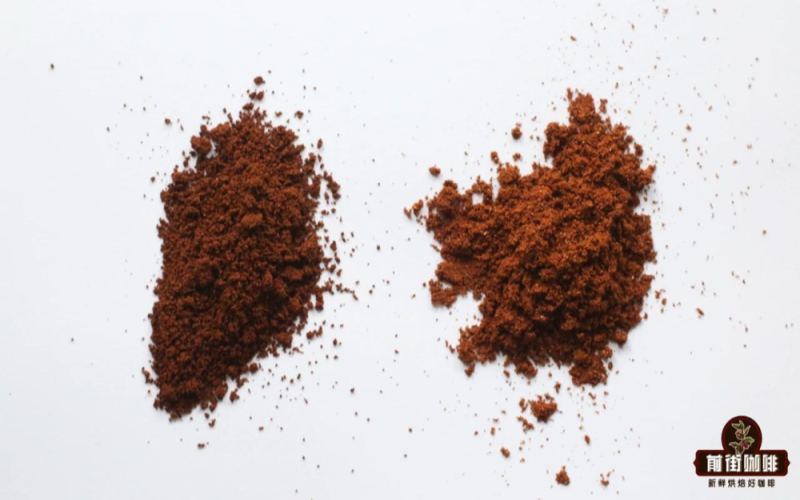
The first step in coffee brewing often begins with grinding. Different extraction methods have different requirements for coffee grounds: a French press needs coarse particles visible to the naked eye, while a Turkish pot requires a grind as fine as flour. At the same weight, the finer the grind, the greater the number of cuts and the larger the surface area, and the more opportunities water has to contact the coffee grounds, so flavor compounds are released faster. To move away from vague descriptions like "as coarse as granulated sugar," Front Street Coffee uses standard sieves to calibrate particle size: generally, pour-over coffee particles are between 600-850 microns; when tested with a 0.85 mm (No. 20) sieve, the pass rate is about 80% for light roasts and about 65-70% for medium-dark roasts. This article will also compare the pass rates of common methods such as cold drip, siphon, moka, American drip filter, cupping, and French press, and introduce the effects of conical burrs, flat burrs, and ghost teeth burrs on grinding results, as well as recommendations for choosing between hand grinders and electric grinders. [more…]
How to Determine Grind Size for Pour-Over Coffee? A Complete Guide from Sugar Comparisons to Sieve Testing
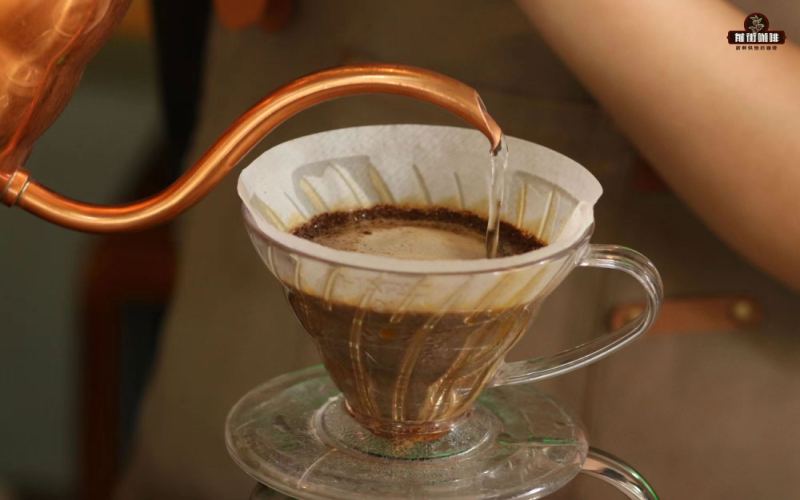
The flavor expression of pour-over coffee depends to a large extent on whether the grind size is appropriate. The grind size directly affects the speed at which water passes through the coffee bed and the amount of coffee compounds released; too coarse and the flavor is weak, too fine and the flavor is strong or even bitter. This article begins with the mechanism by which grinding affects flavor, introduces a method using granulated sugar particles as an intuitive reference, and further provides the operational details for precisely checking grind size with the Chinese standard No. 20 0.85mm sieve, along with Front Street's specific setting recommendations for medium-light and medium-dark roasted beans. In addition, it also outlines extraction time as a reference standard for judgment, as well as key factors affecting the taste of pour-over coffee such as coffee bean selection, making it suitable reading for coffee enthusiasts who want to systematically master grinding techniques. [more…]

How to Calibrate Pour-Over Coffee Grind Size? A Practical Guide to No. 20 Sieve Pass Rate Testing and Judgment Tips
The grind size for pour-over coffee has always been a problem that puzzles many enthusiasts—the same description of "coarse sugar size" can be understood very differently by different people, and communication deviations directly lead to flavor differences. To solve this problem, Front Street Coffee adopted a "sieve calibration method," using a No. 20 sieve to quantify the grind level. This article will introduce the operating steps of this method in detail: how to choose a sieve, how to measure the pass-through rate, why it is recommended to control it at 80%, and when the grinder quality is poor, how to use brewing time and coffee bed state to assist in judging whether the grind is appropriate. No matter what grinder you use, this method can help you find a relatively stable grind reference. [more…]

Luckin's Pomelo C Series is hailed as a fat-burning miracle, but testing shows that although its calories are low, it raises blood sugar fairly quickly, so those trying to lose fat should be cautious.
After the Luckin Yuzu C series returned, it quickly became popular, and many people on social platforms have hailed it as a "fat-flushing miracle," with claims even circulating that "one cup can make you lose two jin." However, actual test data show that although a single cup of the Yuzu C series contains about 105 to 150 calories, blood sugar rises fairly quickly after drinking it, and the blood sugar increase of Yuzu C Iced Tea can reach 5.1 half an hour after a meal. In addition, the formula contains high-fructose corn syrup and white granulated sugar, so so-called 0 fat does not equal low sugar. For people who need to lose fat or control blood sugar, this drink may not only fail to help with weight loss, but may instead promote fat synthesis and increase hunger due to a large secretion of insulin. This article, combining netizen reviews and formula information, restores the true picture of the Luckin Yuzu C series. [more…]
Pour-Over Coffee Grind Size Selection Guide: Three Methods for Judging Grind and the Practical Application of Particle Size Distribution
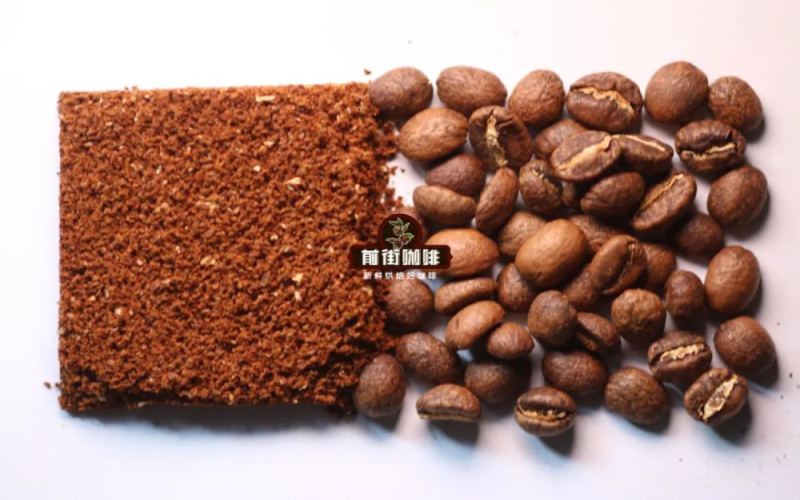
How should you determine the grind size for pour-over coffee? This is the first challenge many coffee enthusiasts encounter when getting started. This article systematically introduces three methods for judging grind size—visual analogy, grinder setting reference, and sieve calibration—analyzing the pros, cons, and applicable scope of each, and further introduces the advanced concept of "particle size distribution" to help understand how grind uniformity affects extraction. At the same time, Front Street Coffee, drawing on its own brewing framework, shares how to combine visual observation, data, and brewing tests to find the pour-over grind size that suits you in a more practical way. [more…]
How Does Malaysian White Coffee Differ from Black Coffee? A Full Analysis of White Coffee's Flavor, Preparation, and Its Connection to Flat White
What exactly is the difference between Malaysian white coffee and black coffee? Is white coffee really healthier and tastier? This article starts with the origins, roasting methods, and flavor characteristics of white coffee, sorts out how it differs from Malaysian black coffee, and extends to the Aussie white (flat white) that is often called "white coffee" today. You will also see how Starbucks makes its flat white, the differences between the iced and hot versions, and the parameters and steps for making a flat white at home using Front Street Coffee's classic espresso blend beans, along with a comparison of the differences between a flat white and a latte in milk foam thickness, cup size, and espresso base. [more…]
Coffee Grinder Brand Recommendations | Does a Larger Grind Setting on a Coffee Grinder Mean Finer Powder? Is There a Difference in Grind Size Between Strawberry Candy Geisha Blend and Golden Mandheling Coffee?
Coffee beans need to be freshly ground to fully appreciate their aroma, which shows how important grinding is for coffee beans. When grinding, many people have a misconception—namely, which setting they should choose. Generally, the largest number means a coarser grind, and the smallest number means a finer grind. However, every coffee machine, during assembly, transportation, and [more…]
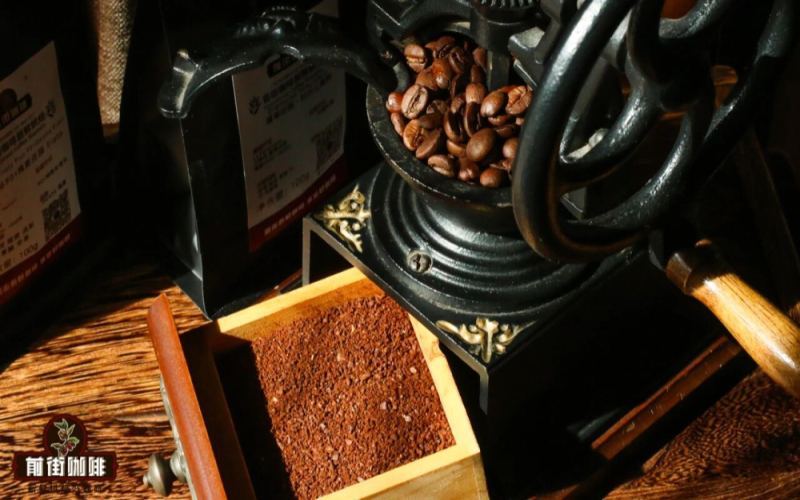
Pour-Over Coffee Grind Size Comparison Guide: Use a No. 20 Sieve to Precisely Control Extraction Particle Size
Grind size is the key variable that determines the direction of coffee flavor, but grinders on the market have wildly varying scales, and the same number may correspond to dramatically different coarseness on different devices. How fine is actually fine? How should you judge something the size of granulated sugar? This article starts from the impact of grind size on extraction, systematically introduces how to quantify the coarseness of coffee grounds with the help of the Chinese standard No. 20 0.85 mm aperture sieve, and for common brewing methods such as pour-over, French press, cold brew, espresso machine, and moka pot, provides reference ranges for grind passing rates under different roast levels and comparison methods, helping you find the grind parameters suitable for your own equipment. [more…]
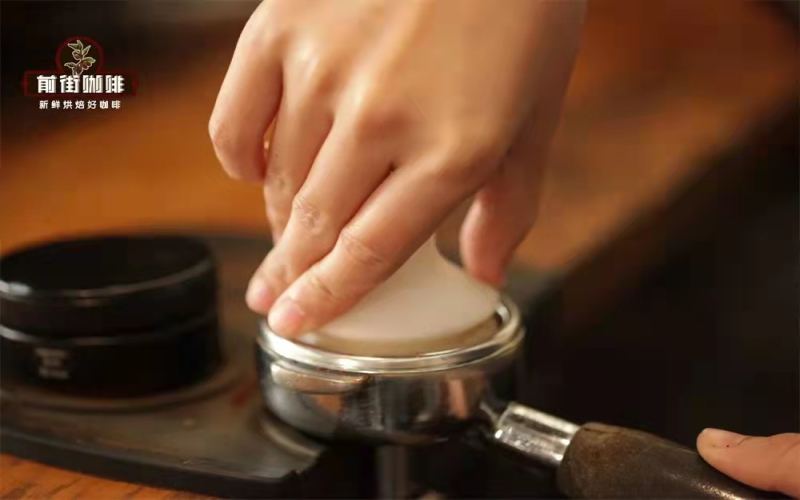
Coffee Grind Size Chart | What Are the Differences in Grind Size, Coffee Brewing Ratios, and Brewing Time Between Moka Pot and Espresso?
There are many factors that affect the taste of coffee. During the brewing process, the factors that influence coffee include the coffee-to-water ratio, grind size, water temperature, etc. Among them, grind size can be said to be extremely important. There is a saying in the industry: "You can buy a cheaper coffee machine, but the grinder must be the best." It must be said that grinding really has an [more…]
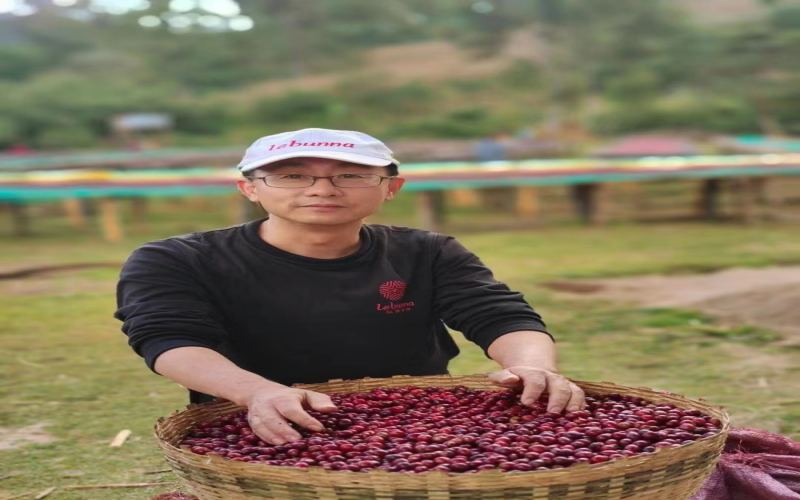
An In-Depth Analysis of the Origin and Flavor of Huakui Coffee Beans: From the 2017 Champion to the Differences Between 6.0 and Small-Bean Huakui
Since winning the TOH competition in 2017, Huakui coffee beans have become a hot topic in the specialty coffee circle, impressing people with their strawberry-cream smoothness, rose fragrance, and tropical fruit fermentation notes. But many enthusiasts will notice that today's Huakui on the market is divided into Huakui 6.0 and Small-Bean Huakui. How do they differ from the 2017 champion batch? Why can't you find the name "Huakui" abroad? This article will fully sort out the ins and outs of Huakui coffee beans from the perspectives of origin, processing station, variety, processing method, and brewing suggestions, and share Front Street Coffee's roasting and brewing insights, helping you gain a more comprehensive understanding of this outstanding value-for-money Ethiopian natural bean. [more…]